Finding Steadiness Again: Acupuncture Support for POTS

Now that we are all on the other side of the holiday season and into the New Year, many of us are feeling the contrast between outward busyness (or chaos!) and our bodys’ quiet needs. In Traditional Chinese Medicine, winter is a time of conservation and deep nourishment—a season that invites us to slow down, reflect, and gently adapt to change. For those living with conditions like Postural Orthostatic Tachycardia Syndrome (POTS), this time of year can be especially challenging, as colder temperatures, disrupted routines, and added stress place greater demands on the nervous system. Simple daily activities like standing, walking, or focusing can feel exhausting or destabilizing.
At Louisville Family Acupuncture, we’ve seen a growing number of patients seeking support for POTS symptoms. This mirrors a broader trend—POTS diagnoses have increased significantly in recent years, particularly following viral illness, chronic stress, trauma, and Long Covid. While POTS can feel confusing and isolating, gentle and supportive care can make a meaningful difference.
How Acupuncture Supports POTS
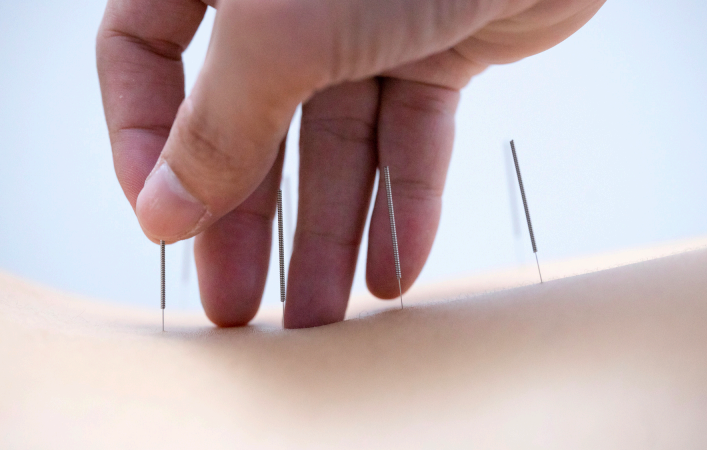
Acupuncture has been used for centuries to regulate systems of balance within the body. Modern research now supports what Traditional Chinese Medicine has long observed: acupuncture helps modulate the autonomic nervous system, improve circulation, and reduce inflammation.
Clinical studies show that acupuncture can:
Improve heart rate variability (a key marker of nervous system resilience)
Calm sympathetic “fight or flight” activity
Support parasympathetic “rest and digest” function
Improve blood flow and vascular regulation
Reduce fatigue, anxiety, and dizziness
For patients with POTS, this gentle nervous system regulation is often a missing piece of care.

What Is POTS?
POTS is a form of dysautonomia, meaning it affects the autonomic nervous system—the system responsible for regulating heart rate, blood pressure, digestion, temperature, and stress response. When someone with POTS moves from sitting or lying down to standing, their heart rate increases abnormally, often without a corresponding rise in blood pressure.
Common symptoms include:
Dizziness or lightheadedness upon standing
Rapid heart rate or palpitations
Fatigue and brain fog
Shortness of breath
Temperature sensitivity
Digestive issues
Anxiety or a feeling of internal “overdrive”
While conventional care often focuses on symptom management through hydration, compression, medications, and lifestyle adjustments, many people seek complementary approaches to help regulate the nervous system more deeply.
Common Questions About Acupuncture and POTS
Is acupuncture safe for people with POTS?
Yes. Acupuncture is generally very safe and well tolerated for people with POTS when provided by a licensed, experienced practitioner. At Louisville Family Acupuncture, treatments are gentle, paced, and adapted to your energy levels and comfort.
Can acupuncture help with dizziness and rapid heart rate?
Clinical research shows acupuncture can help regulate the autonomic nervous system, improve circulation, and support heart rate variability. Many patients notice fewer episodes of dizziness, palpitations, and a calmer baseline over time.
Will acupuncture cure POTS?
Acupuncture is not a cure for POTS, but it can be a valuable part of a comprehensive care plan. Our goal is to support nervous system regulation, reduce symptom severity, and improve quality of life alongside your existing medical care.
How many treatments will I need?
This varies from person to person. Many patients begin with weekly sessions and adjust frequency as their symptoms stabilize. We work collaboratively and check in often to make sure care feels supportive and sustainable.
What does a POTS acupuncture session feel like?
Most people find treatments deeply calming. Needles are very thin, and sessions often leave patients feeling grounded, relaxed, and less “wired.” You are always in control of the pace and positioning.
Building Sustainable Self-Care for POTS
As always, we believe that meaningful healing often comes from small, steady practices. For many people with POTS, something as simple as staying well hydrated, adding electrolytes, or practicing slow, intentional breathing can make a real difference in how the nervous system responds throughout the day. In our clinic, we work with each client to develop manageable, realistic self-care routines that support regulation without adding pressure or complexity. Whether it’s a few minutes of breathing, gentle movement, or learning when to rest, these practices—combined with acupuncture—help create a sense of steadiness and trust in the body again. We’re honored to support you as you find what feels sustainable, supportive, and right for you.