Late Winter to Early Spring in TCM: Why Your Body Feels “Off” Right Now (and What to Do About It)
If you’ve been feeling a little weird lately—more tired than usual, more achy, more bloated, more irritable, or like your sleep is suddenly unpredictable—you’re not imagining it.

This time of year (late winter moving into early spring) is a major transition season, and in Traditional Chinese Medicine (TCM), transitions are when the body tends to feel the most sensitive.
You might notice things like:
More stiffness in your neck, shoulders, hips, or low back
Random flare-ups of old pain
Feeling heavy, sluggish, or foggy
Digestive issues like bloating, reflux, constipation, or “nothing sounds good”
Feeling more moody, anxious, or overwhelmed
Sleep that feels lighter, more restless, or harder to settle into
If this all sounds familiar to you, take a moment, take a deep breath and know you’re not alone! Let's break down some simple ways to support your body through it.
It may seem like there is no rhyme or reason to layered and chronic symptoms. If we stop to take a moment and ask ourselves how we are feeling it can feel loaded and even too intense to put into words or clear isolated symptoms. Sometimes we have to balance being able to function in our day to day and tend to our bodies everything gets tangled together. If you try to gently start addressing areas of discomfort you may notice:
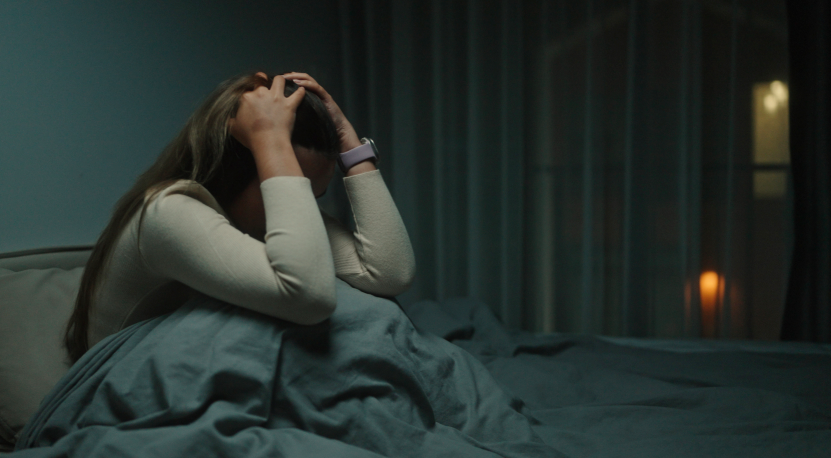
You’re tired, but wired
Your joints feel stiff and cranky in the morning
You feel bloated easily or more sensitive to foods
Your mood is more reactive than usual
Your pain is louder even though nothing major changed
Here is how we break it down in terms of Traditional Chinese Medicine
In TCM, every season carries its own signature energy. You can think of it like a rhythm in music. And our bodies being part of this natural phenomena listen. They try to adjust and keep in time. We are now moving through a big key change from Winter to spring. These transitional moments can require a bit of finesse but most importantly awareness!
Winter is the season of conserving. The flavor and tempo of winter is slow and deep. Our systems want to hibernate and can become more sedentary. To be in rhythm we crave more sleep, warmth, and more steady nourishment. Even if the days have been busy and stacked with tasks the body still leans inward. And in these times our nervous system likes to shift into a quieter tone to protect, preserve and repair.
Spring on the other hand is the season of movement! It rises. It stretches. It stirs the pot. Think of a song suddenly shifting into a heavy crescendo or the “beat dropping”. This energy causes nature to wake up, grow, and circulate. This force pushes out the first buds of spring and it may not seem like it but that requires a lot of energy. And when we stop and put ourselves back into our bodies and our bodies back into this landscape we can feel what that big energy calling to us. Or in many cases screaming! “Switch gears, wake up, move whats being stored” (Did we even store anything?!)
This is where we have to take an extra deep breath, relax and try our best to approach with care and not move against the natural current of life.
Here are some ways we can ease ourselves into this transition using some solid time tested methods.
Warm up the mornings
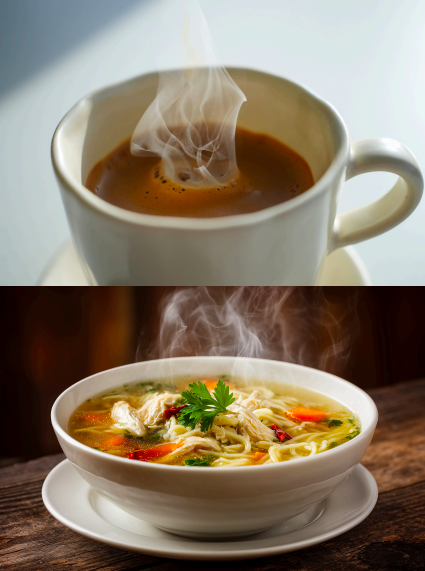
In early spring, the environment is still cool and damp—even when the sun comes out. That can contribute to stiffness and sluggishness.
Try:
warm tea or warm water first thing
a warm breakfast (oats, eggs, soup, rice porridge, sautéed greens)
a heating pad on your low back or belly for 10 minutes
Why this helps: warmth supports circulation, digestion, and nervous system settling.
Move a little… but don’t push
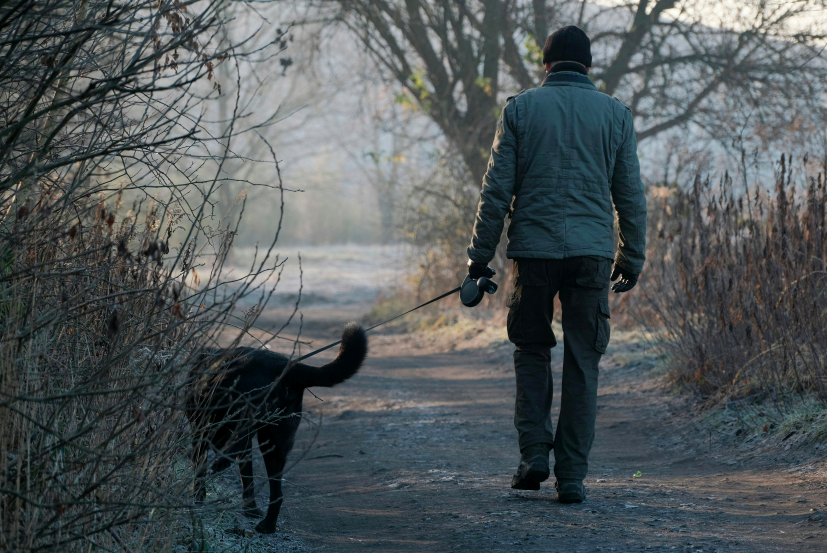
Spring wants movement, but if you push too hard too fast, your body can rebel.
Aim for gentle consistency:
10–20 minute walk
light stretching
mobility for hips and upper back
easy strength work instead of “all or nothing” workouts
A great rule of thumb:
You should feel better after movement—not wiped out.
Add a 10-minute walk after meals
This is one of the most underrated tools for:
bloating
constipation
reflux
nervous system regulation
blood sugar balance
Even a gentle loop around your home counts.
Use heat for pain and tension
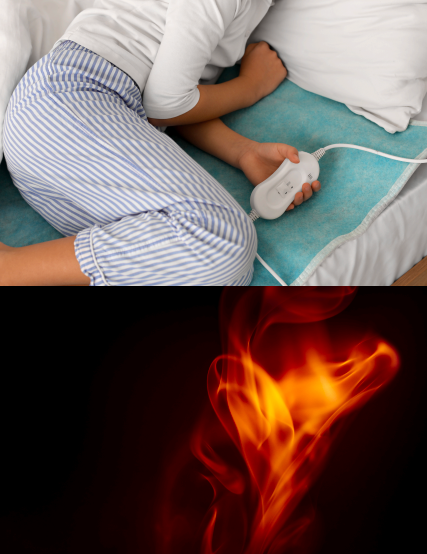
In TCM, late winter/early spring often comes with a lingering “cold + damp” pattern in the body. That can show up as stiffness and deep achiness.
Try:
heating pad on hips or low back
warm baths or Epsom salt baths
keeping your neck and upper back covered outdoors
warming topical liniments
Heat helps the body circulate and soften.
A simple “calm the system” evening routine

If your sleep has been lighter or your mind is more active, this is a great time to protect your evenings.
Try:
dim lights after dinner(try red lenses glasses, or blue-free bulbs)
limit doom scrolling (… easier said than done)
magnesium glycinate (if it works for you)
5 minutes of slow breathing
warm shower or foot soak
Even 10% more calm adds up.
And lastly how could we forget acupuncture!
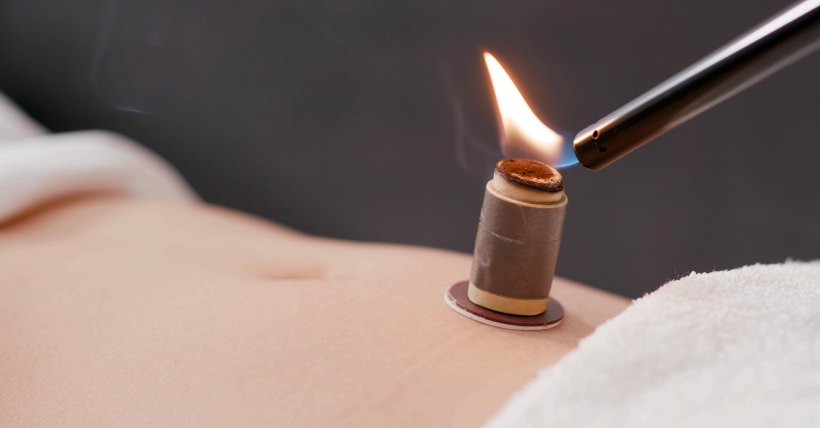
This is one of our favorite practices and recommendations because it helps your body do what it’s already trying to do:
shift out of winter mode
regulate stress response
improve circulation and mobility
support digestion and motility
reduce pain flare intensity
help sleep become deeper and steadier
In TCM terms, acupuncture can help:
move stuck tension patterns
reduce inflammation and sensitivity
support the “smooth flow” of spring energy
strengthen digestion so your body has more resilience
In modern terms, many people notice acupuncture helps with:
nervous system regulation (fight/flight - rest/digest)
muscle guarding and chronic tightness
pain cycles that feel “stuck”
stress-related GI symptoms
This is especially important for people dealing with chronic pain, complex conditions, and nervous system sensitivity.
So in short, we just wanted to remind you, your body is not falling apart. It is just adapting to seasonal shifts. And we are here to support you!